
dc comics style guide
DC Comics Style Guide: A Comprehensive Overview (Updated 05/04/2026)
Today, on 05/04/2026, this guide standardizes DC’s superhero visuals, initially established in 1982 with José Luis García-López’s pivotal contributions, becoming a collector’s item.
The DC Comics Style Guide represents a foundational document for maintaining visual consistency across the vast and ever-expanding DC Universe. Originally conceived in 1982, its primary impetus was to establish a unified aesthetic for its iconic superheroes, ensuring a cohesive look and feel across all published materials. This initial guide, powerfully illustrated with examples by the legendary José Luis García-López, quickly became an invaluable resource for artists and a highly sought-after item among collectors.
Over the decades, the Style Guide has undergone periodic revisions to reflect evolving artistic trends and character redesigns. However, its core principles – clarity, consistency, and a respect for the established visual language of DC’s characters – have remained constant. This updated version, dated May 4th, 2026, aims to provide a comprehensive overview of these guidelines, serving as a vital tool for both seasoned professionals and aspiring artists contributing to the DC legacy.
Historical Context: The 1982 Guide & José Luis García-López
The genesis of the DC Comics Style Guide lies in the early 1980s, a period of increasing complexity and diversification within the DC Universe. Recognizing the need for visual standardization, DC commissioned a guide to ensure a unified appearance for its core characters. This landmark project was entrusted to the immensely talented José Luis García-López, whose artistic prowess and understanding of superhero anatomy proved invaluable.
García-López didn’t merely illustrate the guide; he fundamentally defined its visual language. His detailed character renderings, showcasing a range of poses and expressions, became the definitive templates for DC artists. The 1982 guide, featuring his work, quickly became legendary, not only for its practical utility but also for its artistic merit. It remains a highly prized collector’s item, a testament to García-López’s enduring influence and the guide’s historical significance.
Purpose and Importance of Standardization
The core purpose of the DC Comics Style Guide is to maintain a consistent visual identity across all its publications and media. Before its inception, character designs often varied significantly between artists, leading to a fragmented and sometimes confusing visual experience for readers. Standardization ensures that iconic heroes like Superman and Batman are instantly recognizable, regardless of who is illustrating them.
This consistency isn’t merely aesthetic; it’s crucial for brand recognition and storytelling clarity. A unified visual language strengthens the DC Universe as a cohesive world, enhancing immersion and allowing narratives to flow seamlessly. The guide minimizes artistic discrepancies, preserving the integrity of established character designs and preventing unintentional alterations to their core visual identities. It’s a foundational element of DC’s enduring success.

Character Anatomy & Proportions
DC’s Style Guide meticulously details anatomical accuracy and proportional guidelines for heroes and villains, ensuring consistent physiques across all artistic interpretations.
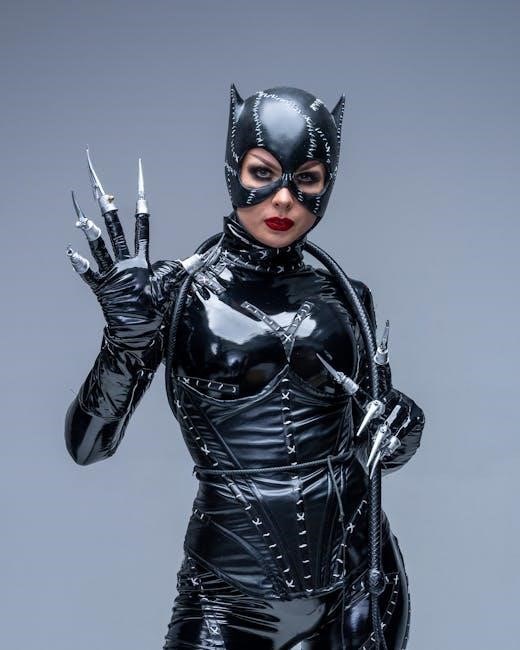
Male Figure Construction
The DC Style Guide emphasizes a heroic physique for male characters, built upon a foundation of classical anatomy, yet adapted for dynamic comic book storytelling. It dictates an eight-head height standard for ideal proportions, providing a consistent visual language.
Musculature is rendered with defined, yet not overly exaggerated, forms, prioritizing readability and power over hyper-realism. Shoulder width should generally exceed hip width, creating a V-shaped torso. The guide stresses the importance of understanding underlying bone structure and muscle attachments to achieve believable poses.
Artists are encouraged to study anatomical references, but also to simplify forms for clarity. Emphasis is placed on conveying weight and balance, even in extreme action poses. The guide provides detailed breakdowns of key muscle groups and their visual representation, ensuring a unified aesthetic across all DC publications.
Female Figure Construction
The DC Style Guide advocates for strong, athletic female figures, moving away from overly sexualized depictions. Proportions typically follow a seven-and-a-half to eight-head height standard, offering a balance between realism and stylistic exaggeration. While maintaining anatomical accuracy, the guide prioritizes conveying power and capability.
Female musculature is depicted with definition, but subtly, emphasizing form and grace rather than bulk. The guide stresses avoiding exaggerated hip-to-waist ratios, promoting a more realistic and empowering silhouette. Shoulder lines are generally softer than those of male figures, but still convey strength.
Artists are instructed to focus on dynamic posing that showcases a character’s agility and determination. Detailed references are provided for anatomical landmarks, ensuring consistency across all portrayals. The goal is to create compelling and believable female heroes who are visually distinct and inspiring.
Dynamic Posing & Anatomy Considerations
The DC Style Guide emphasizes poses that convey action, emotion, and character personality. Line of action is paramount; a clear, flowing line should define the pose, guiding the viewer’s eye and communicating movement. Weight distribution must appear believable, even in fantastical scenarios, grounding the character within the scene.
Anatomical accuracy remains crucial, even during extreme poses. Artists are encouraged to utilize reference materials and understand how muscles compress and stretch. Foreshortening is employed to enhance the sense of depth and dynamism, but must be executed correctly to avoid anatomical errors.

The guide stresses avoiding stiff or static poses. Silhouettes should be readable and instantly communicate the character’s intent. Posing should complement the narrative, reinforcing the story being told within the panel. Consistency in anatomical rendering across all dynamic poses is vital for maintaining visual coherence.
Hand and Foot Anatomy
The DC Style Guide dedicates significant attention to accurate hand and foot anatomy, recognizing their crucial role in conveying expression and action. Hands are not simply “mittens”; detailed rendering of knuckles, tendons, and finger joints is expected, even within dynamic poses. Variations in hand shape and size should reflect character age, build, and personality.
Foot anatomy often presents challenges. The guide stresses understanding the underlying bone structure and muscle groups. Feet should appear grounded and bear weight realistically, avoiding a “floating” appearance. Perspective plays a key role; foreshortening must be handled carefully to maintain anatomical believability.
Avoid overly simplistic or generic hand and foot shapes. Subtle details, like wrinkles and veins, can add realism and personality. Consistency in anatomical rendering across all characters is paramount for maintaining a unified visual style.

Costume Design & Rendering
DC’s visual identity relies on detailed costume work, focusing on fabric texture, realistic armor, flowing capes, and iconic symbol design for each hero’s unique look;
Fabric Representation & Texture
Achieving believable fabric rendering is crucial for DC Comics’ visual consistency. Artists must move beyond simple flat colors, incorporating subtle variations in tone and texture to suggest material properties. For example, spandex should exhibit stretch and sheen, while leather demands a rougher, more granular appearance.
Consider the weight and drape of the fabric; heavier materials will fold differently than lighter ones. Utilize techniques like cross-hatching, stippling, or digital brushes to simulate fabric weaves and surface imperfections. Pay attention to how light interacts with the material – highlights should follow the form, and shadows should define its volume.
Different heroes require different fabric approaches. Superman’s suit needs a smooth, almost metallic sheen, while Batman’s utilizes a textured, tactical material. Consistency in fabric representation across all artists is paramount for maintaining a unified aesthetic within the DC Universe. Careful observation of real-world fabrics is highly recommended.
Cape Dynamics and Flow
Capes are iconic elements within the DC Universe, demanding careful attention to their depiction. They aren’t merely decorative; they convey movement, drama, and a sense of power. Achieving realistic cape flow requires understanding basic physics – gravity, wind resistance, and inertia. Avoid static, rigidly posed capes; instead, illustrate how they react to the character’s actions and the surrounding environment.
Consider the cape’s weight and material. A heavier cape will fall with more substantial folds, while a lighter one will billow and flutter more readily. Utilize speed lines and dynamic folds to emphasize motion; Observe how capes interact with the character’s body, avoiding clipping or unnatural intersections.
Consistency is key. Superman’s cape should always exhibit a specific flow pattern, reflecting his flight and power. Mastering cape dynamics elevates the visual storytelling and reinforces the heroic presence of DC’s characters.
Armor and Metallic Surfaces
Rendering armor and metallic surfaces convincingly is crucial for characters like Batman, Wonder Woman, and various villains. The DC style emphasizes a balance between realistic detail and clear visual communication. Avoid overly complex textures that obscure the form; instead, focus on defining the shape and structure of the armor plates.
Highlighting and shading are paramount. Establish a clear light source and use gradients to convey the curvature and reflectivity of the metal. Consider the material – is it polished steel, brushed aluminum, or a more textured alloy? Each material requires a different approach to rendering.
Reflections should be strategically placed to enhance the sense of depth and realism. Avoid excessive or distracting reflections. Damage and wear can add character and believability, but should be applied thoughtfully and consistently.
Symbol Design & Placement (Logos)
Character logos are iconic and instantly recognizable elements within the DC Universe. Maintaining consistency in their design and placement is vital for brand identity. The style guide dictates specific proportions, colors, and outlines for each hero’s symbol – Batman’s bat, Superman’s shield, Wonder Woman’s double W, and so on.
Placement is also standardized. Logos are typically centered on the chest, but variations exist based on costume design. Ensure the symbol is clearly visible and doesn’t clash with underlying textures or patterns. Avoid distortion or unnecessary embellishments.
The logo’s outline weight should be appropriate for the overall art style and the character’s aesthetic. Consider how the symbol interacts with light and shadow, and adjust accordingly. Consistency across all media – comics, animation, film – is paramount for a unified visual experience.

Facial Features & Expressions
Detailed facial rendering is crucial for conveying emotion and character depth; the guide emphasizes consistent anatomy, varied styles, and expressive features for DC heroes.
Eyes: Shape, Detail, and Emotion
The eyes are paramount in conveying a character’s inner state within the DC Universe. The style guide dictates a focus on clarity and expressiveness, moving beyond simple shapes to incorporate nuanced detail. Pupil dilation, subtle shifts in the eyelids, and the inclusion of catchlights are all vital components.
Different heroes exhibit distinct eye shapes – some possessing almond-shaped eyes for a sense of cunning, while others have larger, rounder eyes to project innocence or vulnerability. The guide stresses consistency in eye color and shape for each character, maintaining visual recognition across various artists and storylines.
Furthermore, the depiction of emotion through the eyes is heavily emphasized. A furrowed brow and narrowed eyes can signify anger, while widened eyes and raised eyebrows communicate surprise or fear. Mastering these subtle cues is essential for effectively portraying a character’s emotional landscape and engaging the reader.

Noses and Mouths: Variations and Styles
The DC Style Guide emphasizes that noses and mouths, while seemingly minor features, significantly contribute to a character’s unique identity and emotional range. A variety of styles are permitted, but consistency is key. Noses can range from sharply defined and aquiline, suggesting strength and determination, to softer, more rounded forms conveying approachability.
Mouths are equally diverse, with variations in lip thickness and curvature. A firm, straight mouth can indicate resolve, while a slight upturn suggests a playful or optimistic nature. The guide stresses the importance of accurately depicting the musculature around the mouth to convey realistic expressions like smiles, frowns, and grimaces.
Artists are encouraged to study real-life anatomy to achieve believable results, but stylistic exaggeration is also acceptable, provided it remains consistent with the character’s established design and personality.
Hair Rendering: Styles and Techniques
The DC Style Guide dictates that hair rendering is crucial for defining character personality and visual impact. It stresses a balance between anatomical accuracy and stylistic flair. Hair should never appear as a solid mass; instead, artists are encouraged to depict individual strands and clumps to create a sense of volume and movement.
Different techniques are recommended for varying hair types – tight curls, flowing waves, or short, cropped styles. The guide emphasizes the importance of light and shadow to define hair’s form and texture. Highlights should be strategically placed to suggest shine and reflectivity, while shadows add depth and dimension.
Consistency in hair style and color is paramount, ensuring characters are instantly recognizable across different issues and storylines. Stylization is permitted, but should always remain true to the character’s established design.
Facial Proportions and Consistency
Maintaining consistent facial proportions is a cornerstone of the DC Comics Style Guide, vital for character recognition and visual storytelling. The guide details standardized ratios for the placement of eyes, nose, mouth, and ears, ensuring a cohesive look across all artists. Deviations should be minimal and purposeful, serving to convey specific emotions or age changes.
Artists are instructed to utilize a foundational skull structure as a base, building facial features upon it with anatomical accuracy. This prevents distortions and maintains a believable human form, even within the heightened reality of comics.
Reference sheets featuring front and profile views are essential tools for ensuring consistency. The guide stresses the importance of studying these references diligently and applying them consistently throughout each character’s appearances.
Coloring & Inking Techniques
DC’s visual tone relies on established color palettes and inking styles, dictating line weight, detail, and shading to create dynamic and impactful comic book artwork.
Color Palettes: Establishing DC’s Visual Tone
Establishing a consistent visual tone across the DC Universe necessitates carefully curated color palettes. Historically, DC leaned towards a bolder, more saturated aesthetic, differentiating itself from competitors. However, modern iterations often incorporate nuanced shading and atmospheric coloring to enhance storytelling and emotional impact.
Key considerations include character-specific palettes – Superman’s iconic reds and blues, Batman’s dark and brooding tones, and Wonder Woman’s regal golds and reds – ensuring immediate recognition. Environmental colors also play a crucial role, establishing mood and setting. For example, Gotham City frequently utilizes grays, blacks, and deep blues to convey its oppressive atmosphere.
The guide emphasizes avoiding overly realistic or muted tones, favoring colors that pop off the page and maintain a sense of heightened reality. Consistency is paramount; while artistic interpretation is encouraged, deviations from established palettes should be minimal to preserve the overall DC aesthetic and brand identity.
Inking Styles: Weight, Line Quality, and Detail
DC’s inking style historically prioritizes clarity and dynamic storytelling; Line weight is crucial; thicker lines define silhouettes and emphasize form, while thinner lines convey detail and texture. A balance between bold outlines and delicate rendering is essential for achieving a visually compelling result.
The 1982 style guide, influenced by José Luis García-López, championed a clean, precise inking style. Modern approaches allow for greater variation, incorporating techniques like cross-hatching and stippling to create depth and shadow. However, maintaining legibility remains paramount.
Detail levels should be appropriate for the scene and character. Background elements often receive less detail than foreground figures, guiding the reader’s eye. Consistency in inking style across different artists is vital for maintaining a unified visual aesthetic throughout the DC Universe, reinforcing brand recognition.
Shading and Highlighting Techniques
Effective shading and highlighting are fundamental to creating depth and volume in DC Comics artwork. Traditionally, artists employed cross-hatching and solid blacks to build up shadows, establishing a strong sense of form. Modern techniques incorporate grayscale washes and digital rendering for nuanced effects.
Highlight placement is critical for defining light sources and emphasizing key features. Bright highlights should accentuate the contours of muscles, armor, or costume details, drawing the viewer’s attention. The 1982 style guide favored a relatively restrained approach to highlights, prioritizing clarity over dramatic contrast.
Consistency in lighting across panels is essential for maintaining visual coherence. Artists should carefully consider the direction and intensity of light sources, ensuring that shadows fall logically and consistently. Skillful shading and highlighting elevate the artwork, enhancing the storytelling and emotional impact.
Special Effects: Energy Blasts, Speed Lines, etc.
Dynamic special effects are integral to conveying the power and spectacle of DC Comics’ heroes and villains. Energy blasts, traditionally depicted with radiating lines and vibrant colors, require careful consideration of form and impact. The 1982 style guide established conventions for representing these effects, emphasizing clarity and readability.
Speed lines, used to illustrate motion, should follow the contours of the character or object moving, creating a sense of velocity. Varying line weight and density can enhance the illusion of speed. Overuse of speed lines should be avoided, as it can clutter the panel and distract from the action.
Consistent application of special effects across characters and storylines is crucial for maintaining a unified visual style. Artists should adhere to established guidelines while also exploring innovative techniques to push the boundaries of visual storytelling.

Lettering & Word Balloons
Effective lettering and balloon placement are vital for clear narrative flow, utilizing specific font styles and shapes to enhance dialogue and sound effect presentation.
Font Styles and Usage
DC Comics historically favored a dynamic range of fonts to convey distinct character voices and narrative tones. For standard dialogue, a clean, legible sans-serif font, often a variation of Futura or similar geometric styles, is preferred, ensuring readability across various panel sizes and printing qualities. Captions typically employ a slightly condensed version of the same font family, providing a clear separation from speech balloons.
Sound effects (SFX) demand bolder, more impactful fonts, frequently utilizing customized or heavily modified typefaces to visually represent the intensity of the action. These fonts often incorporate dynamic angles, breaks, and distortions to simulate movement and energy. Thought balloons traditionally utilize a lighter, more flowing script font, differentiating them from direct speech. Consistency in font usage within a given title is paramount, establishing a cohesive visual identity. Digital lettering tools allow for precise kerning and leading, optimizing readability and aesthetic appeal.
Word Balloon Shapes and Placement
DC Comics employs a nuanced system of word balloon shapes to subtly communicate character emotion and vocal delivery. Standard speech balloons are typically rounded or slightly elongated ovals, prioritizing clarity and ease of reading. Balloons with pointed tails indicate direct address or a sharp tone, while those with multiple points suggest shouting or heightened emotion. Thought balloons maintain a cloud-like, organic shape, visually separating internal monologue from spoken dialogue.
Strategic placement of word balloons is crucial for guiding the reader’s eye through the panel. Balloons should flow naturally with the panel’s composition, avoiding obstruction of key artwork. Overlapping balloons are permissible, but must maintain legibility through careful layering and tail placement. Balloons are generally positioned near the speaker’s mouth, but can be adjusted for dynamic effect or to emphasize specific character interactions. Consistency in balloon style and placement within a title enhances visual storytelling.
Sound Effects (SFX) Design
DC Comics’ sound effects (SFX) are integral to conveying action and impact, demanding a bold and dynamic visual style. SFX lettering prioritizes readability and impactful presentation, utilizing strong, blocky fonts and varied sizes to reflect the intensity of the sound. Onomatopoeia is frequently incorporated, creatively spelling out sounds like “KRAK!”, “BOOM!”, or “WHIZZ!” with distorted or fragmented letterforms to suggest force and energy.
SFX placement within panels is carefully considered to enhance the sense of motion and collision. Larger SFX are often positioned directly at the point of impact, while smaller, more subtle effects can be integrated into the background. The shape of the SFX lettering can also be manipulated to mimic the sound’s form – jagged edges for shattering glass, or swirling lines for a rushing wind. Consistency in SFX style across a title maintains a cohesive visual language.
Panel Layout and Composition
Effective panel layout in DC Comics guides the reader’s eye and dictates the pacing of the story. A variety of panel shapes and sizes are employed – from traditional rectangles to dynamic, irregular forms – to emphasize key moments and create visual interest. Gutters, the spaces between panels, are utilized to control the flow of time and suggest transitions between scenes.
Composition within panels adheres to principles of visual storytelling, utilizing strong focal points, leading lines, and dynamic angles to draw the reader’s attention. Overlapping elements and selective framing create depth and a sense of movement. Avoiding overly cluttered panels ensures clarity and prevents visual fatigue. Consistent application of these principles across a comic book series establishes a recognizable and engaging reading experience for DC fans.